
1 Min Read
Why Baby Jitsu is More Than Just a Sport
Summary
Coach Tomas Maule uses a four-stage system of play to turn grappling into a "cognitive masterclass" that sharpens a child's brain like learning a new language.
Students learn to stay calm under pressure, replacing panic with strategy during high-stakes situations in a safe, coach-led environment.
Beyond physical skills, the program builds disciplined citizens by teaching kids how to handle life's challenges with a calculated plan and a clear mind.
On the mats of Nairobi Jiu-Jitsu Academy, the next generation isn't just learning how to move; they are learning how to think.
Unlike football or track, where the goal is often speed or scoring, Jiu-Jitsu is a martial art centered on grappling and ground fighting.
It relies on leverage and technique rather than raw strength to neutralize an opponent.
At the New Muthaiga Mall facility, the "Baby Jitsu" program is redefining youth sports by treating the octagon like a classroom and the sport like a high-stakes game of "human chess."
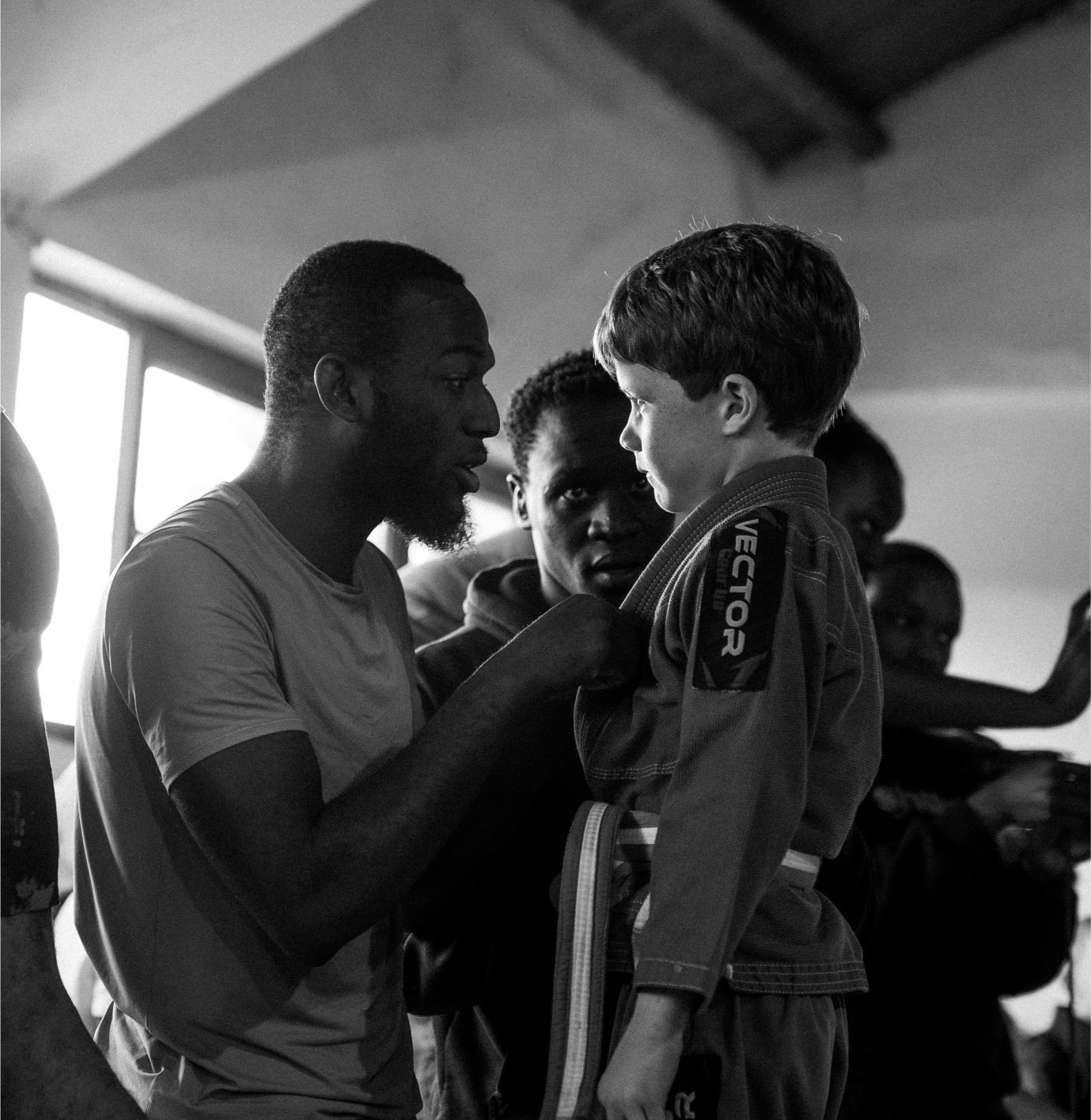
Under the guidance of co-founder and head kids’ coach Tomas Maule, the academy is helping children master the hardest human skill: staying calm and rational when things get tough.
Building The Mind
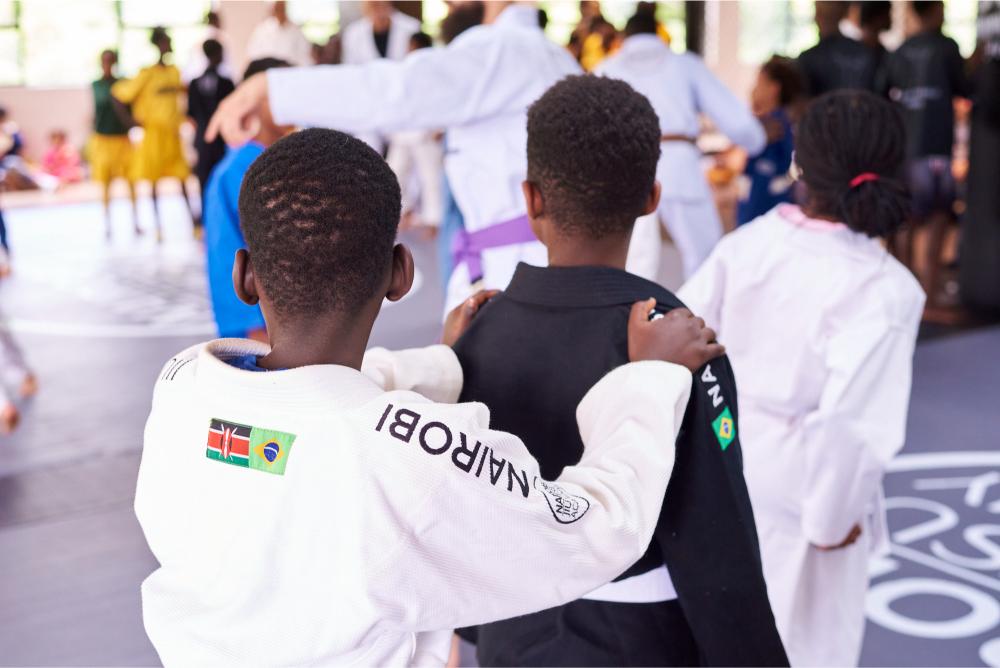
For the children at Nairobi Jiu-Jitsu, the sport is a "cognitive masterclass" that functions like learning a new language.
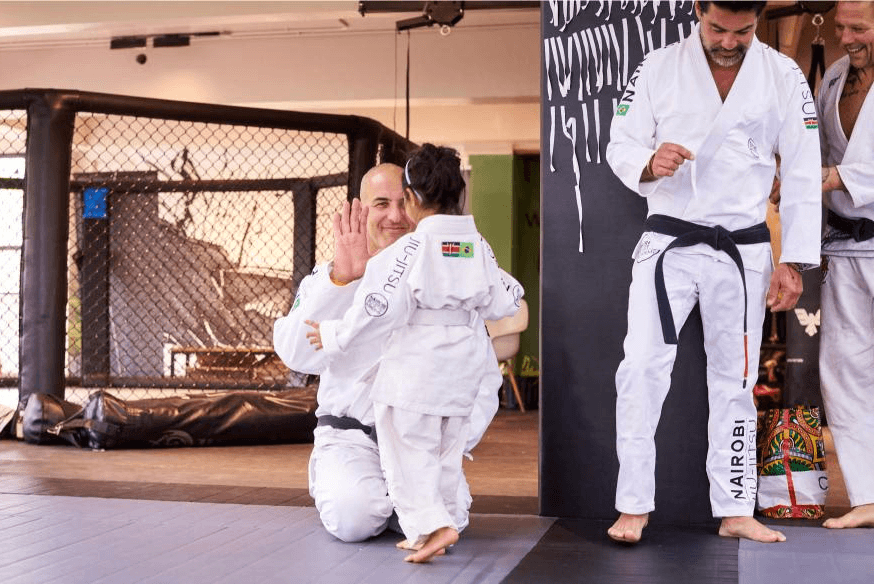
To ensure children ages 4 to 10 can digest complex movements, Coach Tomas Maule utilizes a four-stage system of play:
Onlooker: The child watches and learns by observing others.
Parallel: They practice the moves alongside their peers but independently.
Associative: They begin interacting and sharing the mat space.
Cooperative: They work together as a team to solve grappling puzzles.
"It’s like chess," Tomas notes, emphasizing that the physical grappling is simply the vehicle for mental development.
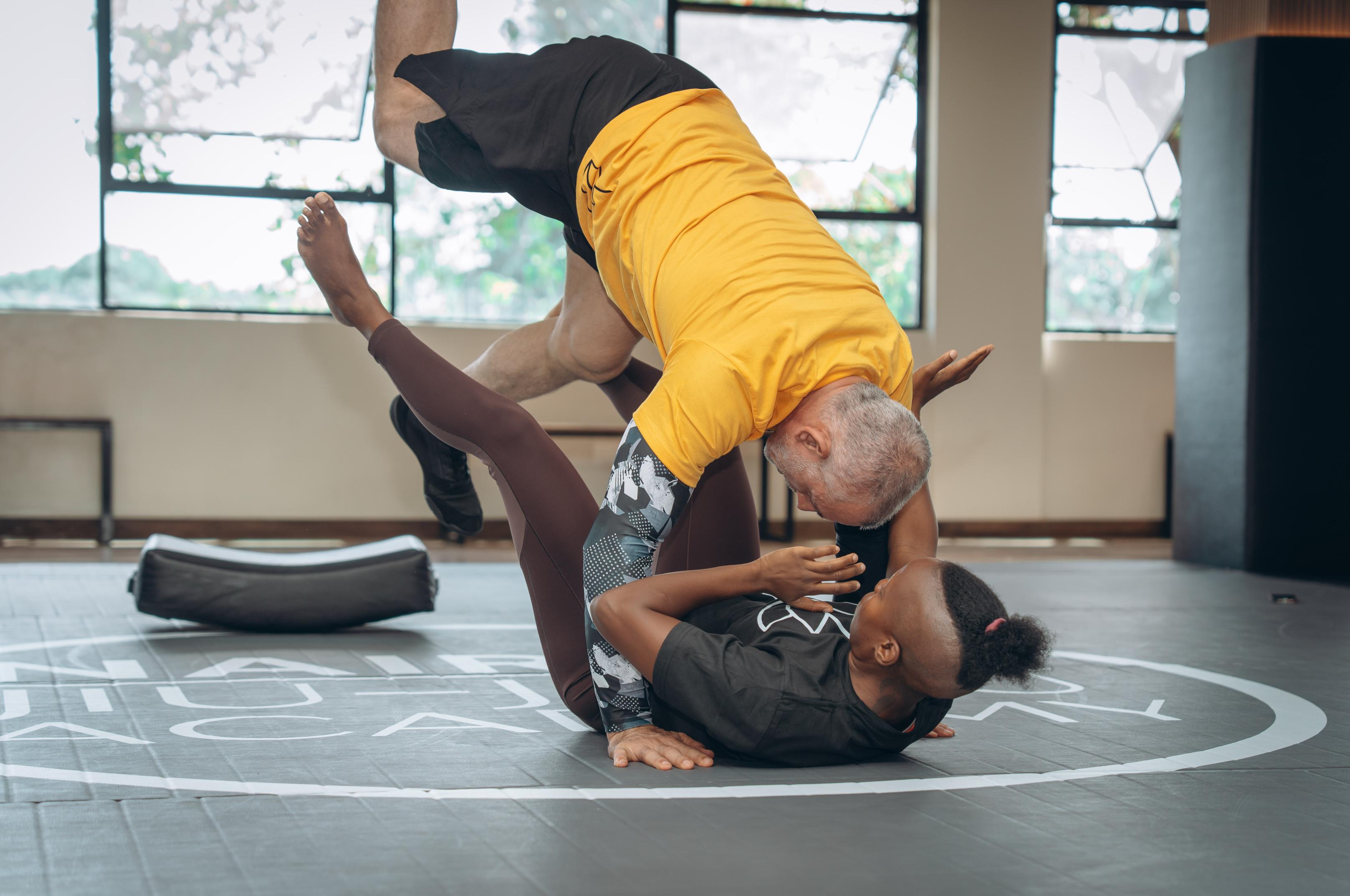
The focus is a "constraint-led approach", where drills like the Scrumble or Mount Escape force kids to think their way out of problems rather than using raw strength.
To keep the young minds fresh, the 50-minute sessions are strategically balanced, featuring 25 minutes of pure Jiu-Jitsu and specific movement drills designed to reset the "mind engine".
Staying Calm Under Pressure
One of the most profound aspects of the program is how it prepares children for high-pressure situations.
Tomas compares the experience on the mats to a cold plunge.
When a child is under pressure or pinned in a mount, their brain naturally triggers a "fight, flight, or freeze" response.
The goal of the Nairobi Jiu-Jitsu curriculum is to teach them to stay calm and rational when they feel stuck.
Children develop emotional intelligence by practicing these "real-life situations" in a safe environment with coaches maintaining a strict 1:4 ratio.
They learn to replace panic with strategy, a skill that Tomas believes is the hardest, yet most important, thing for a human to do.
Building Discipline
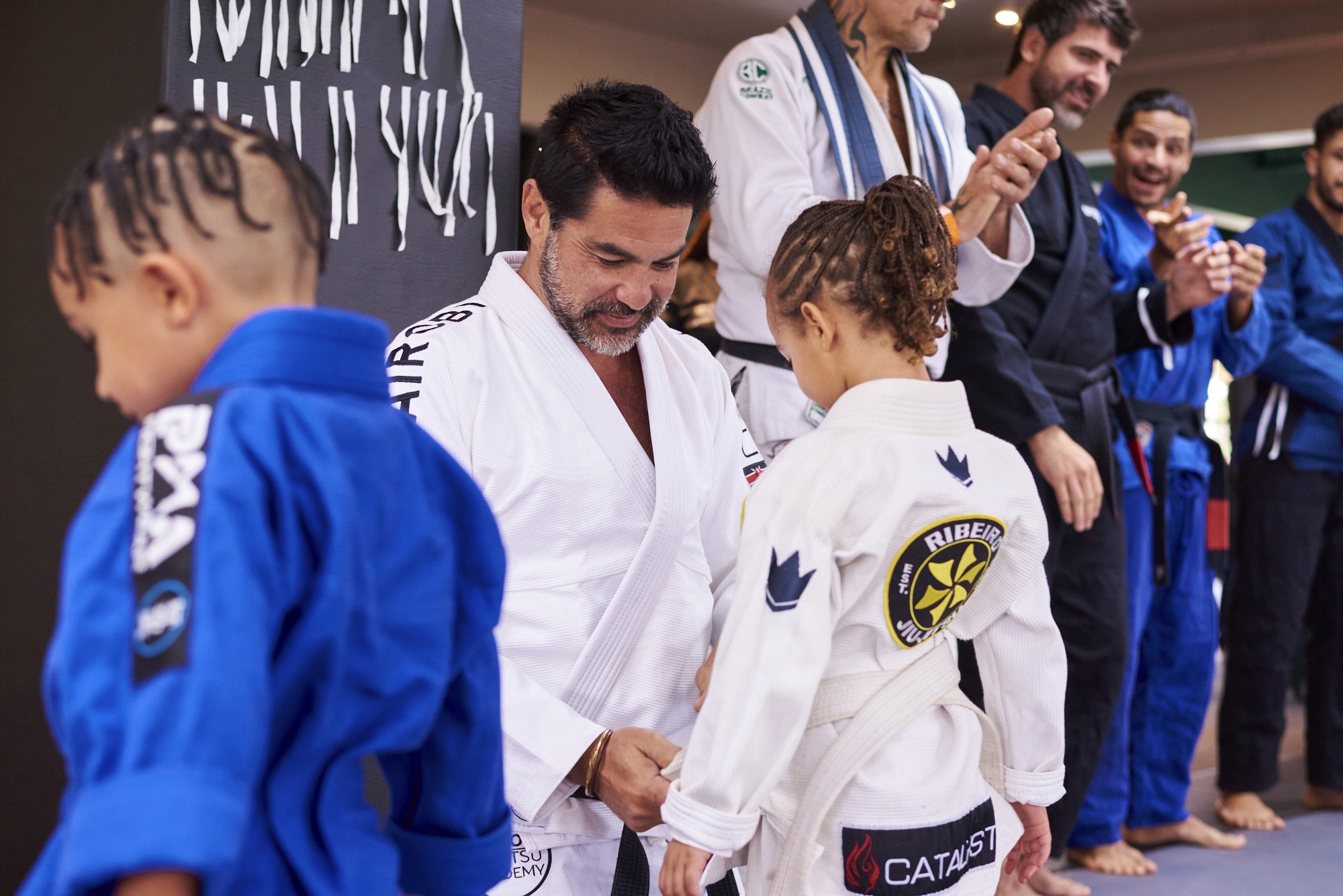
Beyond the technical "mounts" and "escapes, " the program is building a community of disciplined young citizens.
Parents book sessions for a total of 24 kids per class, where the focus on "pure Jiu-Jitsu" is reflected in the children's ability to make rational decisions.
By breaking down complex movements into structured systems, Nairobi Jiu-Jitsu is proving that combat sports can be a social and educational pillar.
The kids aren't just learning how to grapple; they are learning how to deal with life’s pressures with a calm mind and a calculated plan.
As Tomas Maule puts it, the discipline instilled on these mats provides a blueprint for growth that children carry with them long after they leave the gym.