Collins Ng'ang'a
4 Min Read

Demarte “The Wolf” Pena: From Self-Taught Grappler to African MMA Pioneer
In Summary
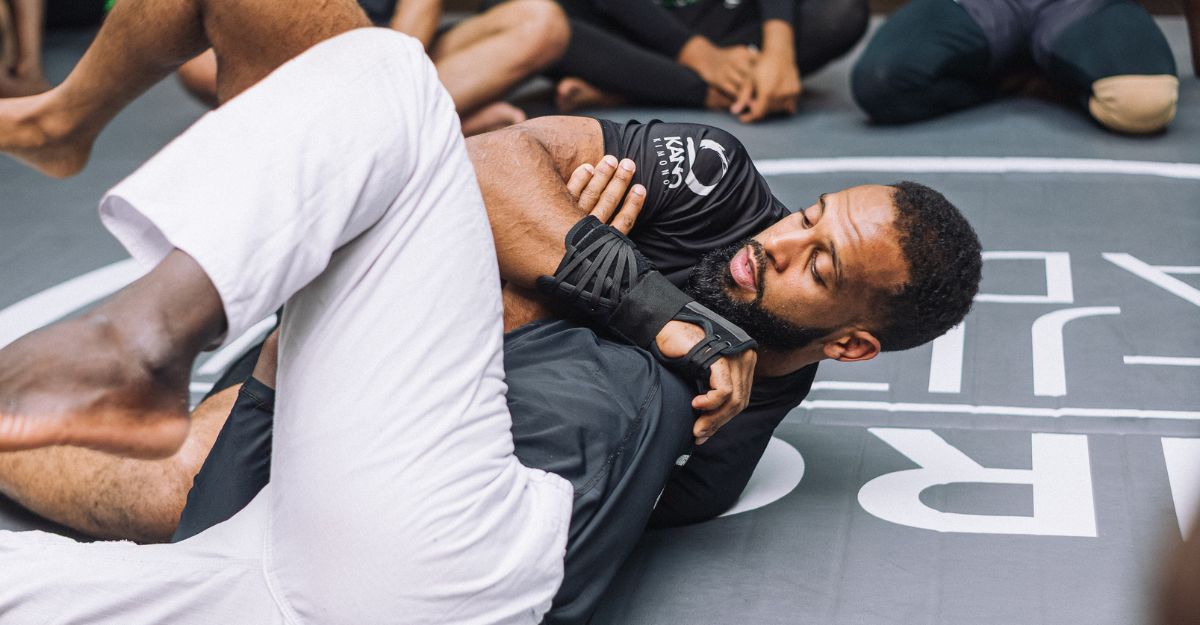
After being armbarred in primary school, Angolan-born Demarte Pena spent years self-teaching Jiu-Jitsu through videos, earning a black belt and world titles in EFC and Ares FC.
Pena went pro in 2011 on two days' notice as a university student, securing a submission win that introduced ground game to a striker-heavy EFC.
As an active fighter and coach, Pena prioritizes financial stability, teaching athletes that winning in life beats holding a title.
Demarte "The Wolf" Pena, an Angolan-born multi-division champion across South Africa's Extreme Fighting Championship (EFC) and Europe's Ares FC, is using his two-decade journey from self-taught grappling pioneer to global veteran to transform the future of African mixed martial arts.
He has built an elite 16-4 professional record and an undefeated 12-fight EFC championship run through disciplined conditioning and ground-game precision.
The 37-year-old fighter and coach now leads a fight team of professional athletes in Johannesburg.
Pena advocates for better promotional infrastructure, athlete financial literacy, and long-term career sustainability across expanding regional platforms like Kenya's ANZA MMA.


Early Roots and the Path to Grappling
Born in Angola during a turbulent era of conflict, Pena grew up surrounded by a street-fighting culture and a local love for combat disciplines like karate and judo.
His early exposure to martial arts included Shaolin Kung Fu and striking forms.
However, his perspective on combat fundamentally shifted when he moved to South Africa at age eight and encountered a pivotal moment during primary school.
A fellow Angolan student introduced him to UFC tapes and challenged him to a ground fight.
Having never trained on the mat, Pena was submitted twice via armbar.
"I see you know how to fight, but do you know ground fighting?" his friend asked.
That moment sparked an obsession.
With limited structured Brazilian Jiu-Jitsu academies available at the time, Pena studied instructional tapes and spent two decades self-teaching ground techniques, eventually ascending to black belt status.
Turning Pro in EFC

In 2011, while attending university and competing in amateur tournaments, an unexpected opportunity accelerated Pena's trajectory.
On a Tuesday night, his coach informed him of a last-minute slot on an upcoming Extreme Fighting Championship card scheduled for Thursday.
A fight had fallen through, and the promotion urgently needed a replacement at his weight class.
Pena accepted the bout on just two days' notice, unaware at the time that fighters were paid—earning $500 for his performance.
Stepping into the bright lights of the EFC cage, he faced an opponent focused primarily on striking.
Capitalizing on his self-taught grappling background, Pena took his opponent down, secured a submission victory, and immediately made his mark.
At a time when EFC was dominated almost entirely by pure strikers, his debut introduced a ground-game nuance that transformed expectations for fighters in the promotion.
READ MORE: Coach Omer Jamal: From Lost Kid to Building East Africa’s Best MMA Team
The Championship Era

Pena's career transformed when he moved to Johannesburg to join Fight Fit Militia (FFM).
Training alongside elite teammates, he built one of the most dominant runs in regional MMA history.
Pena went undefeated through 12 consecutive professional bouts, capturing both the EFC featherweight title and the bantamweight championship, defending his crowns across both divisions.
His rise was built on brutal self-awareness.
Early in his amateur career, an agonizing K1 defeat left him physically exhausted and coughing on the canvas—a lesson that permanently changed his approach to conditioning and fight preparation.
"After this fight, I will never ever fight if I'm not ready," Pena recalled. "That was one of the defining fights in my career."
That relentless work ethic carried him to global platforms, including France’s Ares Fighting Championship—where he won the bantamweight title—and international cards in the UAE.
Through both victories and close decision losses, Pena maintains a philosophy that values giving total effort above all else: "For me, I prefer losing the right way, meaning if I'm gonna lose, I give my best. The worst losses are the ones where you don't give your best."
Winning in Life: A New Blueprint for African Combat Sports
Today, Pena is spearheading a paradigm shift for mixed martial arts across Africa.
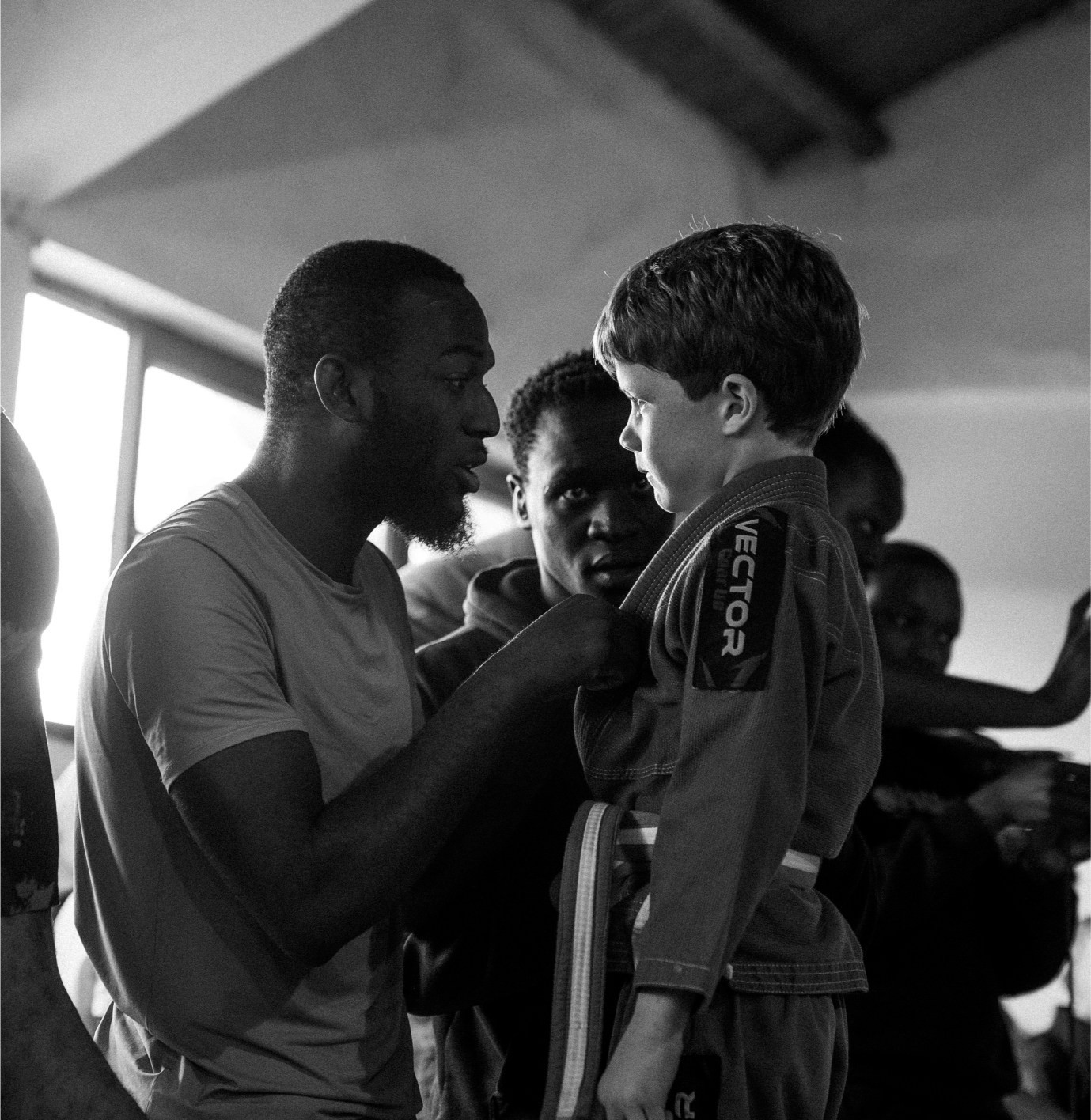
Operating as both an active competitor and a head coach, his gym houses 11 professional fighters and boasts an 80% win rate—a success rate he attributes strictly to developing MMA-specific skill sets rather than relying on isolated martial arts disciplines.
As regional promotions like ANZA MMA in Kenya and organizations across Nigeria and Angola expand, Pena emphasizes that athletic talent alone is insufficient without proper infrastructure, financial planning, and career sustainability.
For Pena, coaching is about preparing athletes for life after the final bell.
"What's the point of becoming a champion but you don't have money?" Pena tells his fighters. "I know I have won as a coach if my fighters do well in life. What's a title otherwise?"
With sights still set on highest-level opportunities if the stars align, Pena's lasting legacy is already secured—not just in the record books, but in the sustainable foundation he is building for the next generation of African fighters.
READ MORE: NJJA To Host a Women’s Self-Defense Seminar on April 11 2026